Planning – Again, planning is something that happens at almost every stage of a E2E supply chain and is vital to forecasting the requirements of their products, be it raw materials or finished products. Planning also considers the requirement of transport, warehousing space, inventory levels employees, and so much more. The two types of planning commonly referred to are;
- Demand planning – This process is used to create reliable forecasts and can guide users towards improving the accuracy of revenue forecasts whilst aligning inventory levels and enhances the chance of profitability for a product.
- Supply planning – Supply planning helps in predicting of future requirements in order to balance supply and demand. Supply chain planning products can include modelling and design, distribution and supply network planning and look at co-ordinating assets to best plan the delivery of goods from the supplier to the customer.
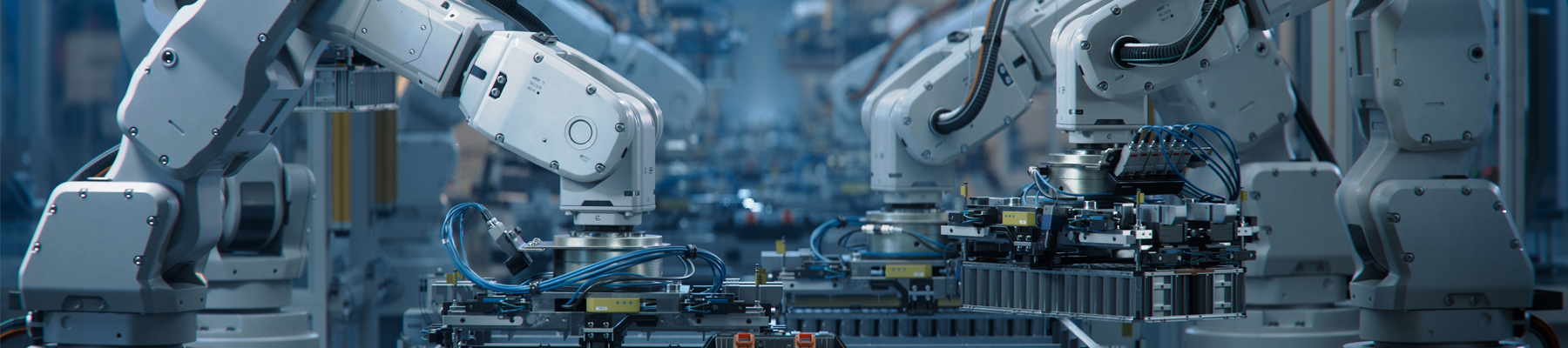
Manufacturing – Supply chain management affects manufacturing companies in different ways and includes the availability of inputs that are needed for production processes, costs and profitability of manufactured items. The need to understand ways that supply chain management can affect manufacturers from both a daily operational perspective and a strategic viewpoint is important for all managers in the industry.
Linked closely with Manufacturing and, in many cases, part of the same department or function, you will find Operations and Quality Control.
- Operations – Operations management involves the activities, decisions and responsibilities of managing the resources that are dedicated to producing and delivering products and services.
- Quality Control – Often referred to as quality assurance, modern consumers want to be confident in the products or services they are purchasing. Procurement departments want to work with suppliers who have rigid protocols in place to provide assurances that the companies they are working with are going to provide parts and products that match their specifications and that they will be monitoring production. Quality Control can prevent faulty goods, high-volumes of returns and damage to a brand’s reputation!