
We can see from this that demand is constant rate (shown as Q). The amount of stock then falls at a uniform rate of time (usage rate). When this rate reaches the Re-order Point (ROP) then another order is placed to be received prior to a ‘Stock-out’. So the cycle continues. It is possible to calculate a Re-order point if you know the usage rate and lead-time.
For example, if item ‘A’ has a usage rate of 500 units per week and the lead-time for the item is four weeks then:
ROP = 500 x 4
ROP = 2000 Units
We can often use a two-bin system to enable this system to run easily from a practical perspective, where the first bin is used as on-hand stock feeding stations, and the second bin contains the re-order stock.
This means when the first bin is used up, an order must be placed as you move to the second bin. Upon receipt of the stock, the Re-Order Level (ROL) bin is filled up to its required level first, and only then can the additional bin be filled.
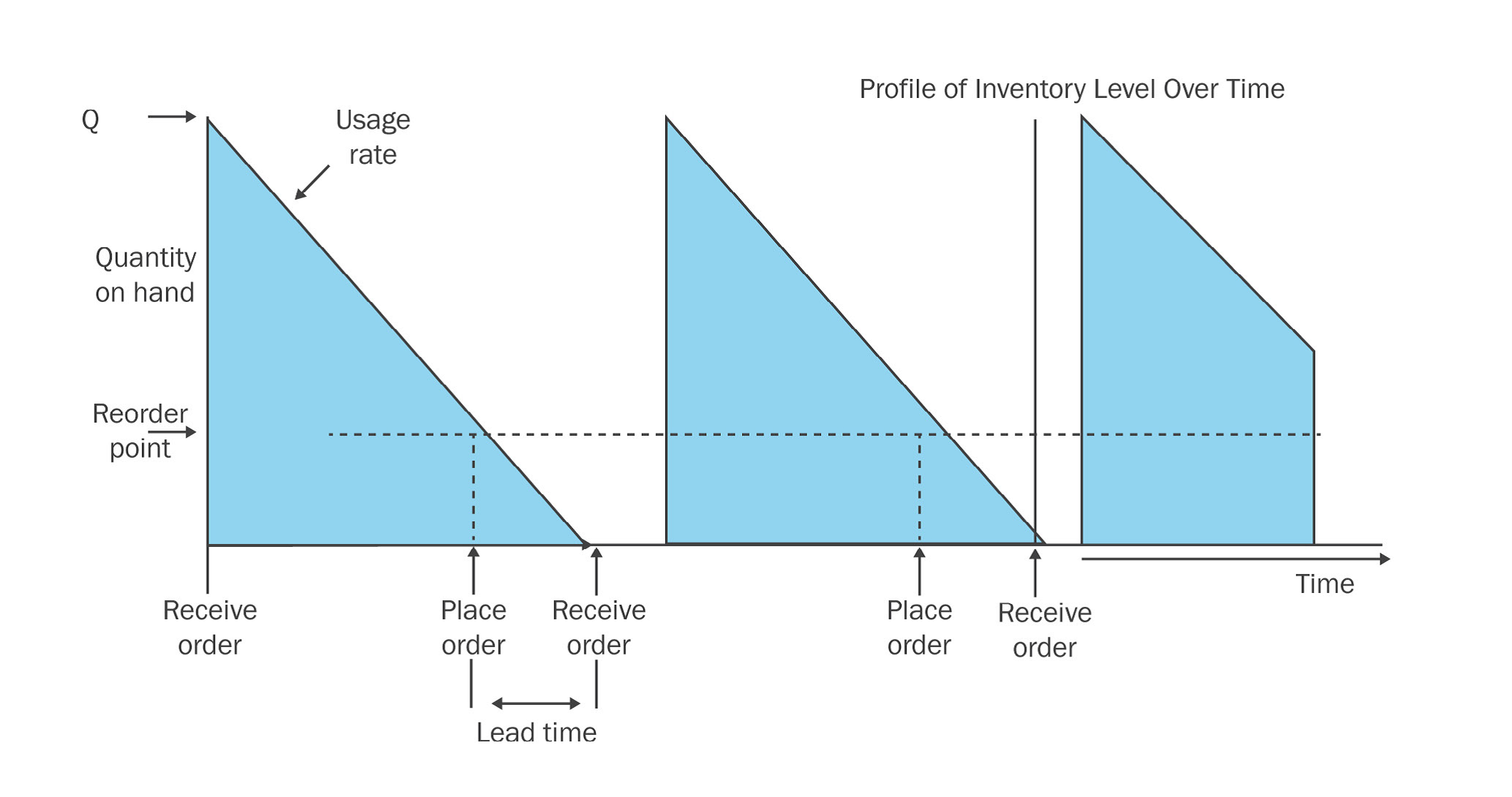
Figure 5: Re-Order Point (source: www.slideshare.net/inventory)